
INTERNAL FACTORS AFFECTING PERSONALITY DEVELOPMENT

INTERNAL FACTORS AFFECTING PERSONALITY DEVELOPMENT The development of a person’s personality is a complex process that is influenced by both internal and external factors. Internal factors refer to those that are within an individual and have a direct influence on their personality. These factors include: Habits and Behaviours Life Experiences Values and Beliefs Self Regulation Self Reflection Temperament Attitude Genetics  Understanding these internal factors is essential for understanding an individual’s

The Nine Perspectives

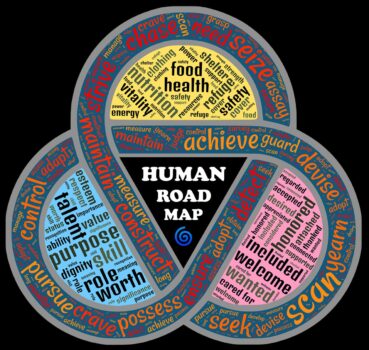
How do you make decisions in life? Are you clear about your decisions all the time or do you experience confusion often? Most of us are bound to make decisions according to our gut feelings which may or may not be misleading. Sometimes we even go with the flow because it’s highly uninteresting or stressful to make a good choice. But how do we change our thinking perspective towards a

PERSONALITY DEVELOPMENT

Welcome to the Personalty Development Blog! Here, we strive to help you reach your fullest potential and become the best version of yourself. We believe that self-improvement is an ongoing journey and that everyone has the power to reach their goals and become the person they want to be.

We understand that life can be hard and full of obstacles and that sometimes it can feel like you’re going against the grain. That’s why we’re here to provide you with the support and motivation you need to keep pushing forward.

We’ll provide you with tips and tricks to help you stay focused on your goals, as well as advice on how to create and maintain healthy habits. We’ll also discuss the importance of setting realistic goals and developing an action plan to reach them.

At the Personality Development Blog, we believe that everyone has the power to achieve their dreams and make their life better. So, join us and let’s take this journey together!

Quality Management Principle- Continual Improvement

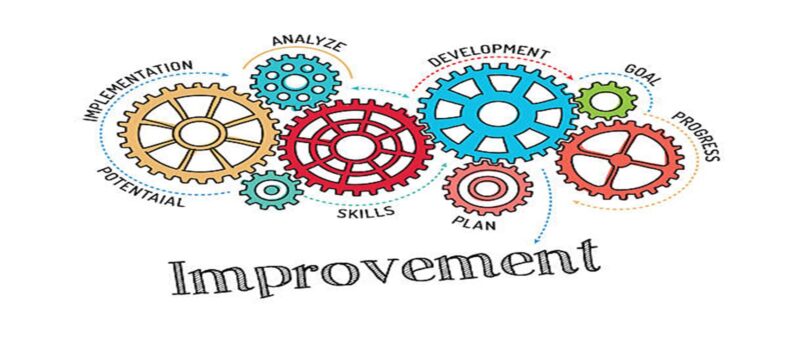
  Introduction The term continual improvement covers the aspect of bringing enhancement in the products, services or processes involved either through incremental or breakthrough upgrades. Bringing improvements in the product through recurring activities hikes the ability of the product to fulfil the laid down requirements. While the continual improvement can be achieved by various tools like – utilization of quality policy, quality objective, audit outcomes, data analysis, preventive actions in

Continuing with the previous article ‘ Analytical thinking and behavior and complex problem-solving.’

Introduction Apart from acquiring analytical thinking and complex problem-solving skills, an individual must also possess the skills of Critical Thinking and analysis and how to initiate creativity, originality, and contribute initiative. The combination of these two skills enables a person to reach conclusions and let them draw effective outcomes out of the business situations so encountered. These results are due to the active participation of employees in carrying out the

Process Approach – Quality Management Principle

Introduction The process Approach is one of the management strategies which includes a method of thinking, planning the sequences, and communication of processes through the set system. The process is well-managed and controlled. The way of thinking and planning so developed for the processes, and the way they interact thus becomes difficult for many people to understand. The organization manages its business as a system of processes but not majorly

Competency Management Framework

Competency is a term that is much related to an individual’s attributes and inputs. These are defined as behaviours that individuals must acquire to perform the work effectively. It covers the concept of demonstrating performance outputs as well as behavioural inputs. The core competencies of an organization are its capabilities, knowledge, skills, and resources. Core competencies of an organization are also known by the name of core capabilities, briefing in

Quality Management Principle- Continual Improvement

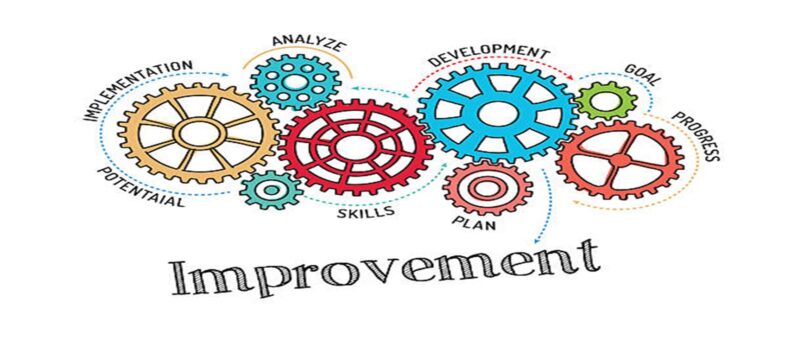
Introduction The term continual improvement covers the aspect of bringing enhancement in the products, services, or processes involved either through incremental or breakthrough upgrades. Bringing improvements in the product through recurring activities hikes the ability of the product to fulfil the laid down requirements. While continual improvement can be achieved by various tools like – utilization of quality policy, quality objective, audit outcomes, data analysis, preventive actions in case of

Pin It on Pinterest